September 4, 2026 Izumiti Labs
When the ERP becomes the problem: from an overgrown Odoo to a right-sized inventory
Field teams logging physical assets into a giant ERP and losing track of them. We built a right-sized inventory system with QR and roles in weeks — and migrated the ERP data without losing a single record.
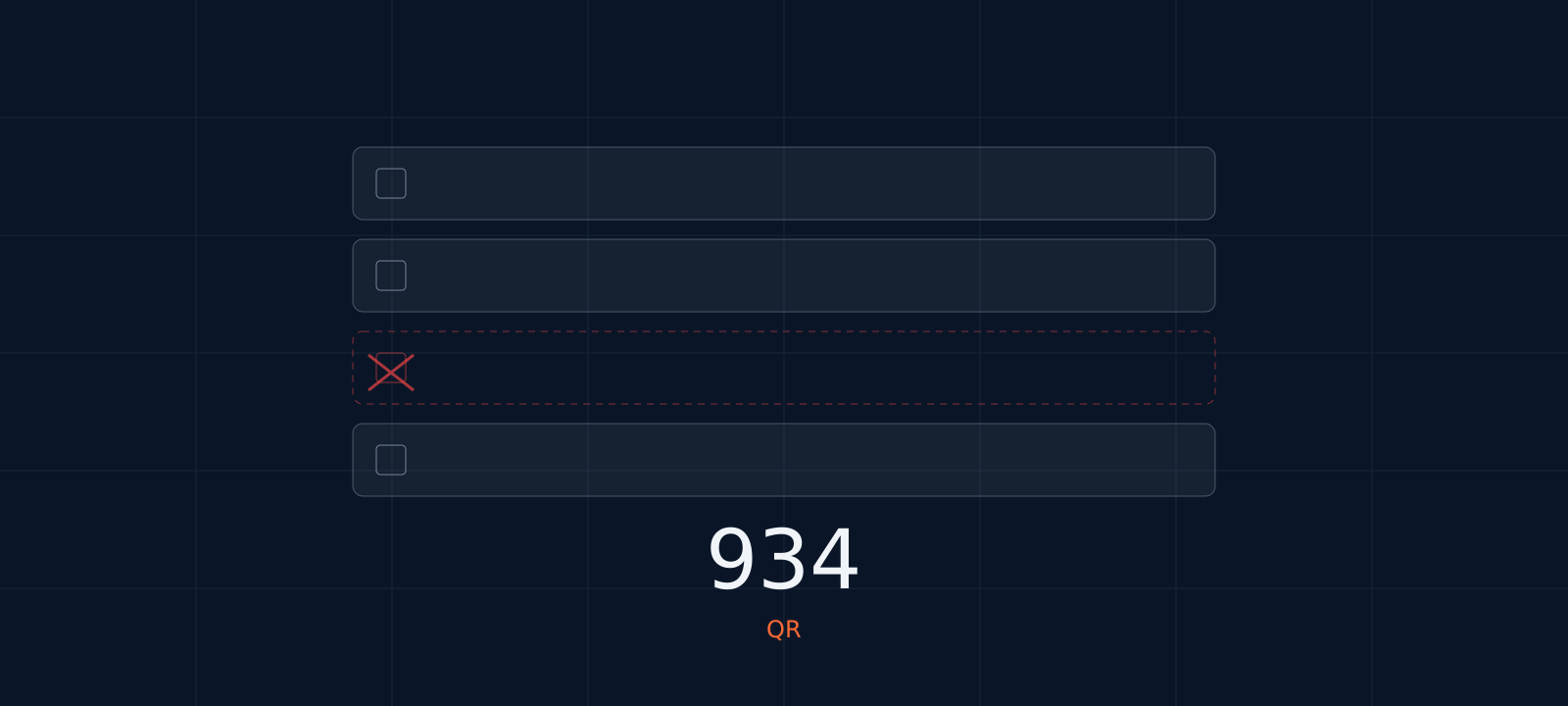
An operations team tracked its physical inventory — boilers, washing machines, mattresses, extinguishers — inside a heavy ERP designed for a different scale. The symptom that hurt most: they registered a new asset and it vanished. Not magic: the record was born archived, and the default view hid it. Nobody knew if the problem was the registration, the search, or the permissions.
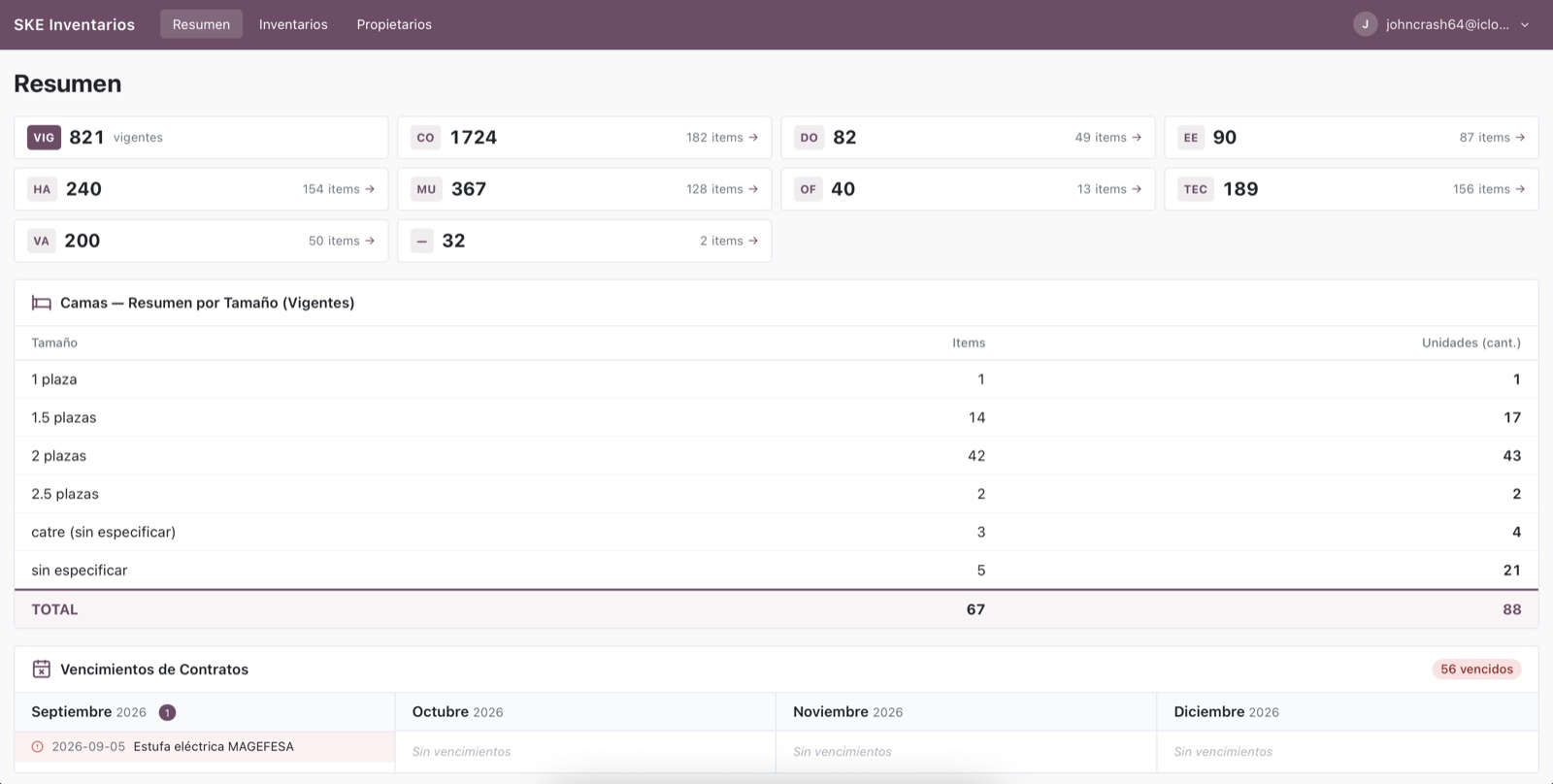
The diagnosis
- The ERP solved ten problems the operation didn't have, and none of the ones it did
- Records created from the mobile app were born in a state the main view hid
- Migrated history and new data were indistinguishable at a glance
- The field team didn't trust the system, so they kept parallel spreadsheets
The decision
Stop customizing the ERP. Build an inventory system sized to the operation: PocketBase, per-profile roles, QR per item, compound filters, and a view that shows what the team needs to see — including a state column that doesn't lie.
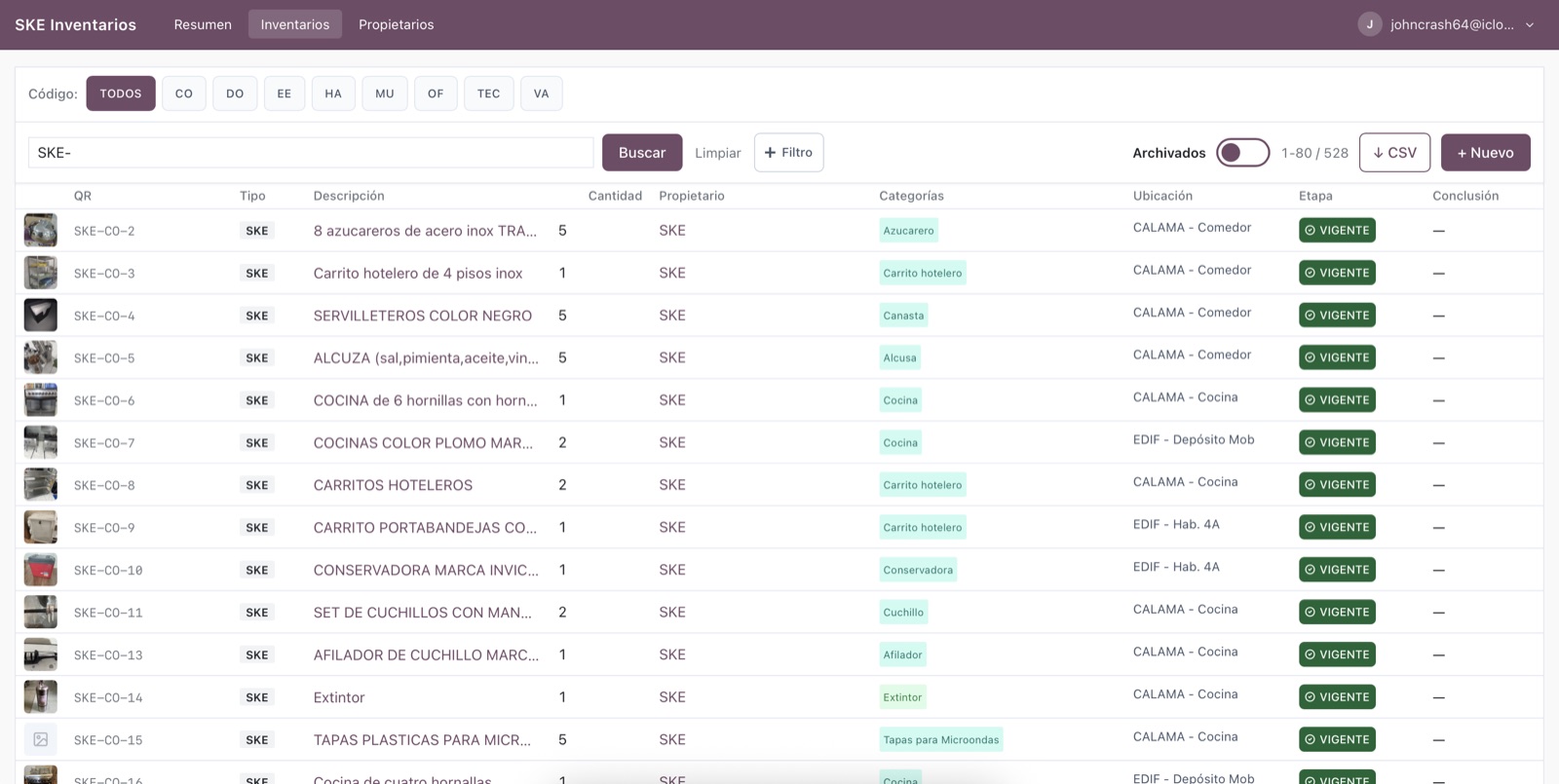
What we built
- Inventory with a QR code per item: scan and you're on the record
- Compound filters by location, type and state — combinable
- Roles: the field team registers, supervision approves and audits
- Full history migration from the ERP, telling migrated records apart from new ones
- The state bug fixed end to end: active by default on creation, plus a correction for records that had been born archived
The result
- 934 active assets and counting, each with its QR
- Zero parallel spreadsheets: the system is the single source of truth
- The field team registers from a phone in seconds
- When something "doesn't show up", the cause is a data point — not an ERP mystery
The takeaway
An over-engineered ERP isn't robustness: it's friction with a license. When the team stops trusting the system, the real cost isn't the software — it's the parallel operation that grows around it. Sometimes the right platform isn't the biggest one, but the one the team actually uses.